 CONTACT US
Industrial Waste Management through a Responsible Supply Chain
Industrial waste is generated throughout every production process. For THAI KOON GROUP, however, industrial waste is not simply something to be “sent out of the factory.” It is an important part of the production process that must be managed properly, transparently, and responsibly, with due consideration for the environment.
Under the Beyond Good Steel concept, THAI KOON GROUP focuses not only on producing high-quality steel but also on responsible production practices—from waste generation within the factory to its final destination for proper treatment, recovery, or disposal.
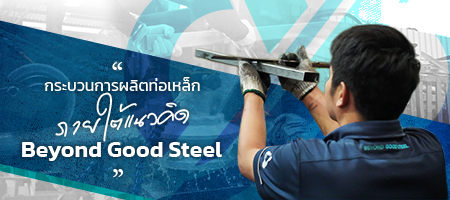
What Types of Industrial Waste Are Generated from Thai Koon’s Production?
Industrial waste generated from Thai Koon’s production processes can generally be divided into two main categories:
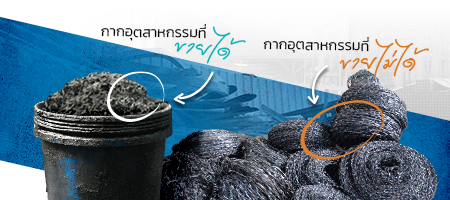
1. Recyclable or Recoverable Industrial Waste
Examples include steel scrap and leftover steel materials generated during the production process. These materials can be recovered, recycled, or remelted for reuse, helping reduce material loss and maximize resource efficiency.
2. Non-Recyclable or Controlled Industrial Waste
Examples include contaminated gloves, oil-stained cloths, and sediment generated from the steel pipe production process. These materials must be properly segregated, handled, stored, and transferred to authorized waste-management facilities in accordance with applicable laws, regulations, and environmental requirements.
Did you know?
Segregating industrial waste at the source helps a factory choose the most appropriate management method for each type of waste, reduces the risk of improper storage, and makes traceability clearer.
Reducing Industrial Waste at the Source
For Thai Koon, responsible industrial waste management does not begin at the final disposal stage. It begins at the source of production.
One approach is to reuse certain materials that can still serve a useful purpose. For example, certain used gloves or cloths that are contaminated with oil may still be suitable for absorbing oil, rather than being immediately discarded and replaced with new materials.
This approach helps Thai Koon to:
- Reduce the amount of industrial waste generated
- Reduce the consumption of new resources
- Reduce unnecessary costs
- Promote more efficient use of resources within the factory
A Traceable Supply Chain Is the Heart of Industrial Waste Management
After proper segregation and storage, Thai Koon transfers its industrial waste to a designated waste-management supplier, which helps coordinate, monitor, and manage the waste-management process in accordance with applicable standards and requirements.
The supplier’s role in this process is not limited to transporting waste out of the factory. It also includes documentation, coordination, traceability, and ensuring that the waste is directed to authorized treatment, recovery, or disposal facilities, as applicable.
This traceable process helps Thai Koon ensure that industrial waste is transferred to an appropriate destination and managed in accordance with applicable legal, environmental, and regulatory requirements.
From Industrial Waste to Appropriate Utilization
Some industrial waste is transferred to authorized facilities for approved processes that allow it to be utilized as an alternative fuel rather than being disposed of in landfills.
This approach can help reduce the environmental burden associated with waste disposal while creating opportunities to recover value from available resources. It also supports responsible production practices and contributes to the environmental goals of the industrial sector.
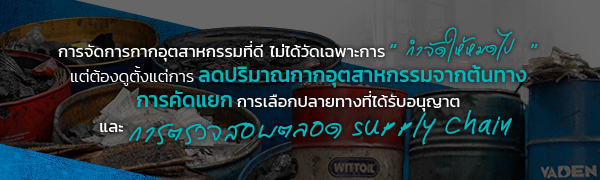
Beyond Good Steel: More Than Good Steel, It Is a Responsible System
For Thai Koon, responsible industrial waste management is an integral part of building a responsible and sustainable production system.
Because Beyond Good Steel is about more than producing high-quality steel. It represents a holistic approach that combines thoughtful decision-making, responsible action, and the creation of positive value for business, society, and the environment.
Managing industrial waste through a traceable supply chain is therefore an important part of this commitment. It reflects Thai Koon’s responsibility toward the environment—not only as a steel manufacturer, but also as an organization committed to growing sustainably alongside society and the communities around it.
Summary
Thai Koon’s industrial waste management does not end with sending waste out of the factory. It begins with proper segregation, waste reduction at the source, the reuse of selected materials, and the responsible transfer of waste through a traceable supply chain.
All of these practices reflect Thai Koon’s commitment to responsible production and align with the Beyond Good Steel concept.
Recommended References to Include at the End of the Article
- Department of Industrial Works (DIW): Industrial waste management and the E-Fully Manifest system
- Department of Industrial Works (DIW): Announcements and guidelines on the management of waste or unused materials
- ISO 14001: Environmental Management Systems
- GRI 306: Waste 2020
- Ellen MacArthur Foundation: Circular Economy principles


