 CONTACT US
What Is Green Procurement, and Why Are Governments and Large-Scale Projects Paying Greater Attention?
Today, organizations in both the public and private sectors are placing increasing emphasis on sustainable development. As a result, Green Procurement, also known as environmentally responsible purchasing, has become a key strategy across many industries, particularly in the construction sector and large-scale infrastructure projects.
For engineers, contractors, and procurement professionals, understanding Green Procurement helps ensure that material selection aligns with project objectives, complies with sustainability standards, and supports long-term environmental goals. It also enables organizations to prepare for evolving sustainability requirements and meet the growing expectations of clients, regulators, and stakeholders.
What Is Green Procurement?
According to the Pollution Control Department, Green Procurement is a procurement approach that considers environmental impacts alongside quality, cost, and fitness for purpose when purchasing goods and services.
In practice, Green Procurement goes beyond selecting products based solely on quality and value. It also evaluates whether a product has a lower environmental impact than comparable alternatives within the same product category throughout its life cycle.
This approach encourages more efficient use of natural resources, helps reduce environmental impacts, and contributes to long-term sustainable development while supporting responsible purchasing decisions.
Why Is Green Procurement Becoming More Important?
Many organizations now integrate environmental considerations into their procurement processes to encourage the use of environmentally preferable products and support sustainable development.
For contractors, engineers, and construction material manufacturers, keeping pace with this trend is becoming increasingly important. It enables them to better understand market expectations, anticipate evolving sustainability requirements, and prepare the necessary information and documentation when projects introduce environmental procurement criteria or other sustainability-related requirements.
Are Green Procurement and Green Label the Same?
No. They are two different concepts.
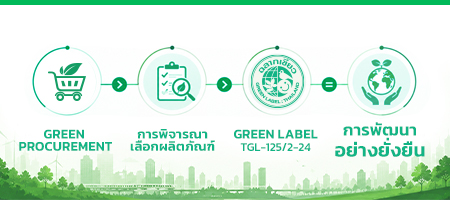
Green Procurement is a procurement approach that integrates environmental considerations into purchasing decisions alongside factors such as quality, cost, and fitness for purpose.
Green Label is a product certification mark awarded to products that meet the environmental criteria established for their respective product categories. The programme is administered by the Thailand Environment Institute (TEI).
Green Label certification can serve as one source of information when evaluating products under Green Procurement practices. However, Green Procurement is not limited to products that carry the Green Label. Depending on the procurement policy or project requirements, other recognized environmental certifications or relevant sustainability criteria may also be considered.
How Does Green Procurement Relate to Construction?
In construction projects, the selection of materials plays a vital role in overall project planning and successful delivery.
Examples of information that may be considered during the material selection process include:
- Products with recognized environmental certifications
- Compliance with relevant product standards and quality requirements
- Product traceability and supply chain transparency
- Information on the manufacturer's production processes and environmental management practices
The specific requirements for material selection may vary depending on the project's objectives, applicable procurement policies, and the sustainability goals established by the project owner.
EXPERT NOTE
Contractors and engineers should always review the Terms of Reference (TOR) or the project specifications carefully, because material and certification requirements may differ from one project to another.
How Should Construction Material Manufacturers Prepare?
Industry trends are placing increasing emphasis on transparency and verifiable information throughout the supply chain.
Manufacturers that can provide clear and reliable information on product standards, certifications, and environmental management practices are often better positioned to build confidence among customers, designers, contractors, and procurement teams. Such information also supports more informed decision-making when selecting construction materials for projects with sustainability objectives.
Conclusion
Green Procurement is a procurement approach that considers quality, value for money, and environmental impact as part of the purchasing decision.
Although the requirements of each project may vary, staying informed about developments in environmental standards, certifications, and procurement practices can help engineers, contractors, and construction material manufacturers better prepare for evolving project requirements and sustainability expectations.
Frequently Asked Questions (FAQ)
Q : What is Green Procurement?
A : Green Procurement is a procurement approach that considers quality, cost, fitness for purpose, and environmental impact when making purchasing decisions.
Q : Is Green Procurement used only in government projects?
A : No. Green Procurement is adopted by both public- and private-sector organizations. The way it is implemented may vary depending on an organization's procurement policies, sustainability objectives, and project requirements.
Q : How does Green Label relate to Green Procurement?
A : Green Label is an environmental product certification that can be used as one source of information when evaluating products under Green Procurement practices. However, Green Procurement is not limited to products with Green Label certification and may also take other recognized environmental certifications or sustainability criteria into account.
References
This article was prepared with reference to information and publications from the following organizations:
Notes
This article has been prepared to provide general information about Green Procurement and Green Label certification in the context of the construction and construction materials industries. The content has been compiled from publicly available information published by relevant government agencies and organizations.
Reference Sources
Pollution Control Department (PCD)
Green Procurement product information – Steel Pipes
Thailand Environment Institute (TEI)
Thailand Green Label Certified Products List
The information provided in this article is intended for general informational purposes only. It should not be interpreted as legal advice, technical guidance, or the official procurement requirements of any specific project.
Requirements, evaluation criteria, and lists of environmentally friendly goods and services may be revised or updated by the relevant authorities from time to time.
The reference information in this article is current as of July 2026. Readers are encouraged to verify the latest requirements, certification criteria, and product information directly with the relevant government agencies or organizations before using this information for design, material selection, procurement, project participation, or regulatory compliance.


